

Our Approach
A sore knee. A cranky lower back. A shoulder that doesn't feel right.
Most people are told to rest it, skip it, or push through it.
There's a better option: keep training, with a coach who knows how to work with it.
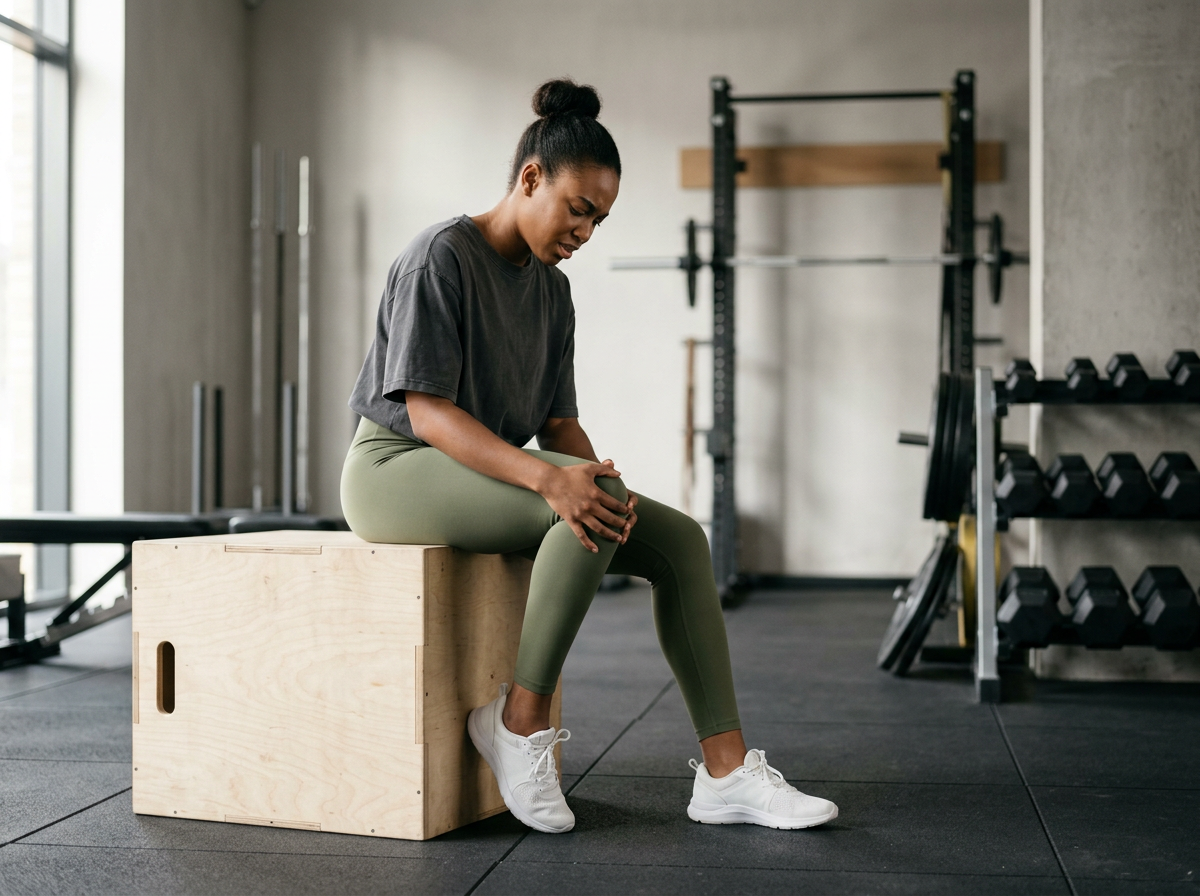
Why aches keep coming back
Most programs handle pain one of two ways.
They ignore it and keep adding weight.
Or they avoid it. No squats. No overhead work. No deadlifts.
Neither one deals with what's behind it. That's why:
The same ache shows up every time you start getting consistent
The list of exercises you "can't do" keeps growing
You hold back because you don't trust your body
You stop and start, and never build momentum
You don't need to avoid more exercises.
You need a plan for the ones that bother you.
How we work through it
Common aches I help with:
Knees that hurt when you squat, lunge, or take the stairs
A lower back that tightens up during or after deadlifts
Shoulders that don't feel right when you bench or press overhead
Hips that feel tight no matter how much you stretch
Wrists, elbows, or a neck that complain when you lift
An old injury you've been working around for years
One side that feels weaker or less stable than the other
What this is…and What it isn’t
This is coaching, from someone trained for it.
I'm a certified strength and mobility coach with a master's degree in exercise science, and I'm currently working on my PhD in the same field. Aches and old injuries don't scare me off. They're part of what I plan for.
Here's what I can do:
Find what's behind it. I watch how you move and look for what's putting extra stress on the area that bothers you.
Coach your form. Small changes in setup, position, and bracing often change how a lift feels right away.
Keep you training. I adjust the exercise, load, or range of motion so you keep making progress while things settle.
Build strength where you need it. We strengthen the area and everything around it, so it can handle more over time.
Improve how you move. Mobility and control work go into your sessions, not on a handout you'll never use.
Progress you at the right pace. Enough to move forward, not so much that you end up back where you started.
Look beyond the workout. Sleep, stress, nutrition, and recovery all affect how your body feels. We work on those too.
Teach you to handle flare-ups. You learn what your body responds to, so a bad day doesn't turn into a month off.
Be your advocate. I'll help you prepare for appointments, ask better questions, and find the right provider when you need one.
Here's what I don't do:
I don't diagnose injuries, treat them, or replace medical care. I'm not a physical therapist or a doctor.
If your pain is sharp, swelling, getting worse, or beyond what training can solve, I'll tell you. Then I'll help you find the right person to see, and I'll be here when you're ready to train again.
Working with your providers
Seeing a physical therapist, chiropractor, or doctor? I'm happy to coordinate with them, so your training supports your care.
Finished physical therapy? That's a great time to start. I help people who've finished PT get back to full training with confidence.
Not sure who to see? I'll help you prepare for appointments, ask better questions, and make sense of what you're told.
For providers: If you're a physical therapist or chiropractor with a patient who's ready for the next step, I'd love to connect.
This is for you if:
You train, but one area keeps holding you back
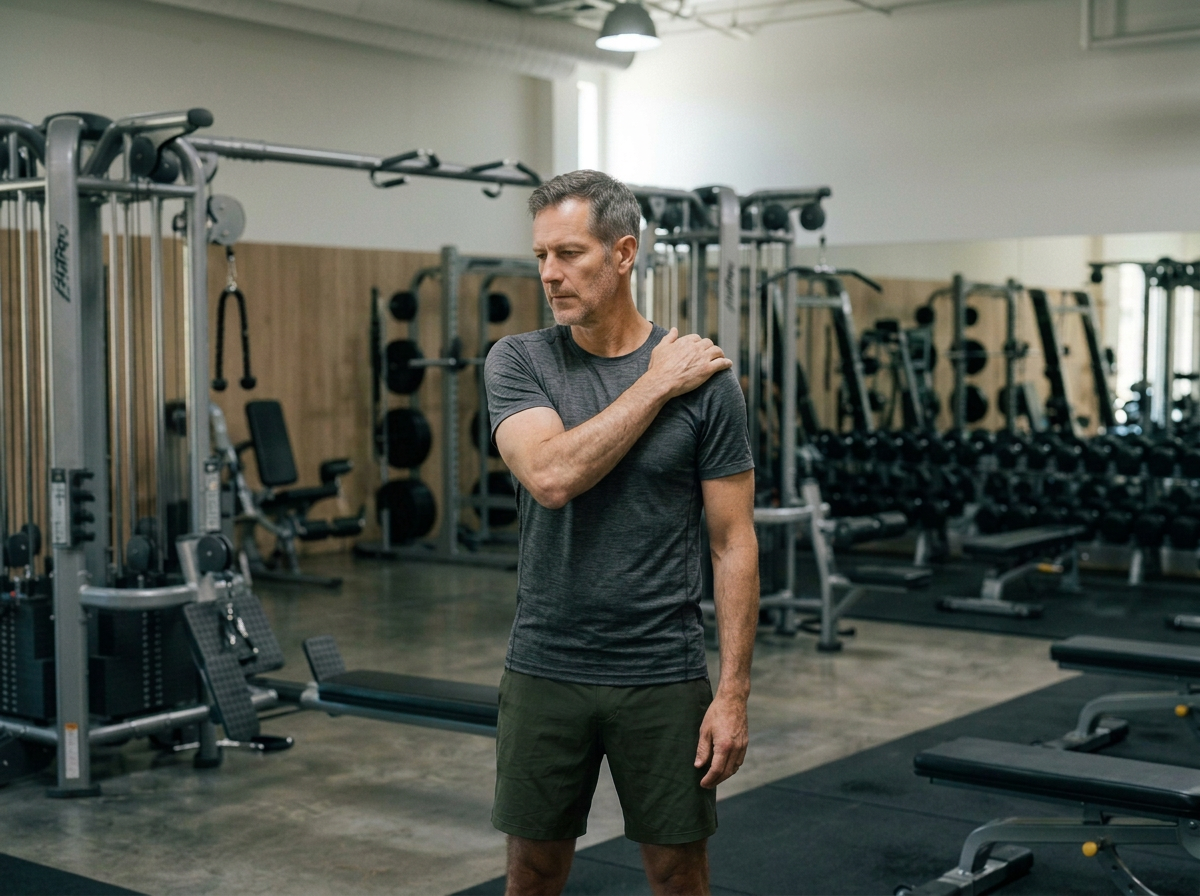
You've stopped doing certain exercises because they hurt
You've finished physical therapy and want to get back to real training
You have an old injury and aren't sure what's safe
You want to start lifting but you're worried about your back, knees, or shoulders
This is not the place to start with a new injury, or with pain that's getting worse and hasn't been checked. See a medical provider first. I'm glad to work with you after.
Frequently Asked Questions
-
It depends on the pain. Mild, familiar aches that don't get worse during or after training can often be worked with by adjusting the exercise, load, or range of motion. Sharp pain, pain that changes how you move, or pain that lingers is a sign to stop and get it checked.
-
Muscle soreness usually feels dull and achy, shows up a day or two after training, and fades within a few days. Pain that's sharp, sits in a joint, or comes with swelling, bruising, or loss of motion is different. If you have any of those, or pain that gets worse instead of better, check with a medical provider.
-
In most cases, yes. A good plan works with your history instead of avoiding it, and builds strength around the area so it becomes more resilient. If you're unsure, check with your provider first.
-
If you're under a provider's care, I'm happy to coordinate with them. Many clients train with me alongside physical therapy or chiropractic care.
-
Knee pain during squats often comes from how the load is moving through your hips, ankles, and feet, not just the knee itself. Form coaching and the right progressions often help. If pain is sharp, swelling, or getting worse, see a medical provider first.
-
It's often a sign of how you're positioning and bracing during the lift, or that the load got ahead of your technique. Coaching your hinge pattern and adjusting the load usually makes a big difference.
-
Tightness is often your body protecting itself because it lacks stability or control, not a lack of flexibility. Building strength and control through the hips frequently improves mobility more than stretching alone.
-
Not necessarily. Often the fix is adjusting your setup, range of motion, or exercise choice so you can keep training while it settles. Persistent or sharp pain should be checked by a provider.
-
Many people brace with their neck and upper traps instead of their core and upper back, especially when lifting overhead or carrying. Learning to brace and position yourself properly takes the strain off your neck and makes your lifts stronger.
READY TO STOP WORKING AROUND IT?
Start with a free consult.
Tell me what's been bothering you and what you want to get back to. We'll map out how to get there.